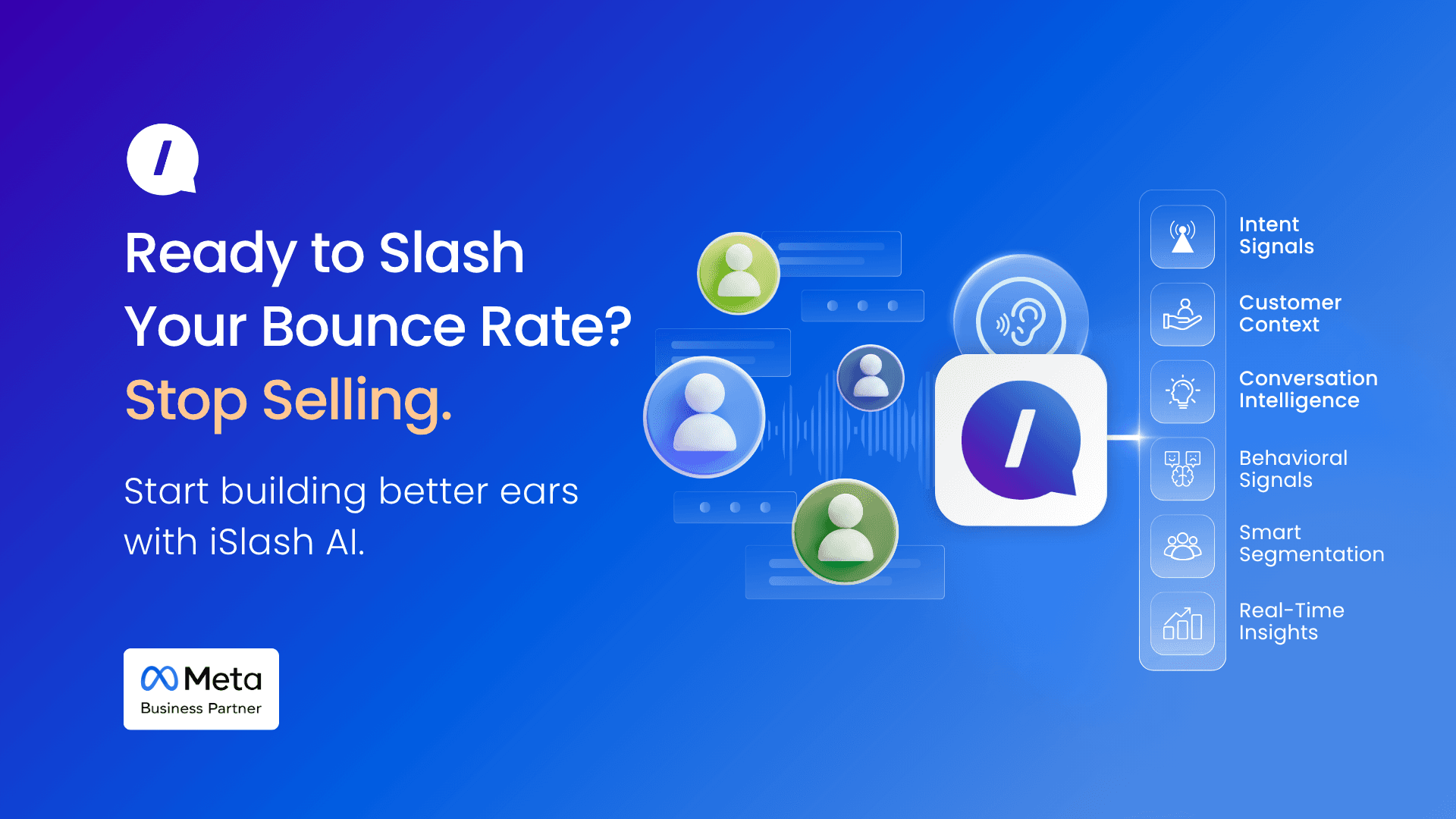
Ready to Slash Your Bounce Rate? Stop Selling.
Start building better ears with iSlash AI.
For a long time, branding was about the "Megaphone." You had a product, you found a loud enough channel, and you shouted until someone bought it. But in a world where the average professional is bombarded by hundreds of digital touchpoints daily, the megaphone is just background noise.
The shift to a consumer-first brand isn't just a marketing trend; it’s a survival mechanism. It moves the focus from what you sell to how you listen.
Consumer-first branding isn't "fluff" but the digital version of the old-school handshake. It’s proving to the customer that you’re listening more than you’re talking.
The Problem: We’ve Forgotten How to Listen
Most brands treat data like a trophy, something to collect and look at, but rarely to use in real-time. We see a lead, we send a generic "Thank you" email, and then we wonder why they didn't convert.
The core logic of a consumer-first brand is simple: Listen first, respond second.
Step 1: Building the "Ears" with WhatsApp Flows
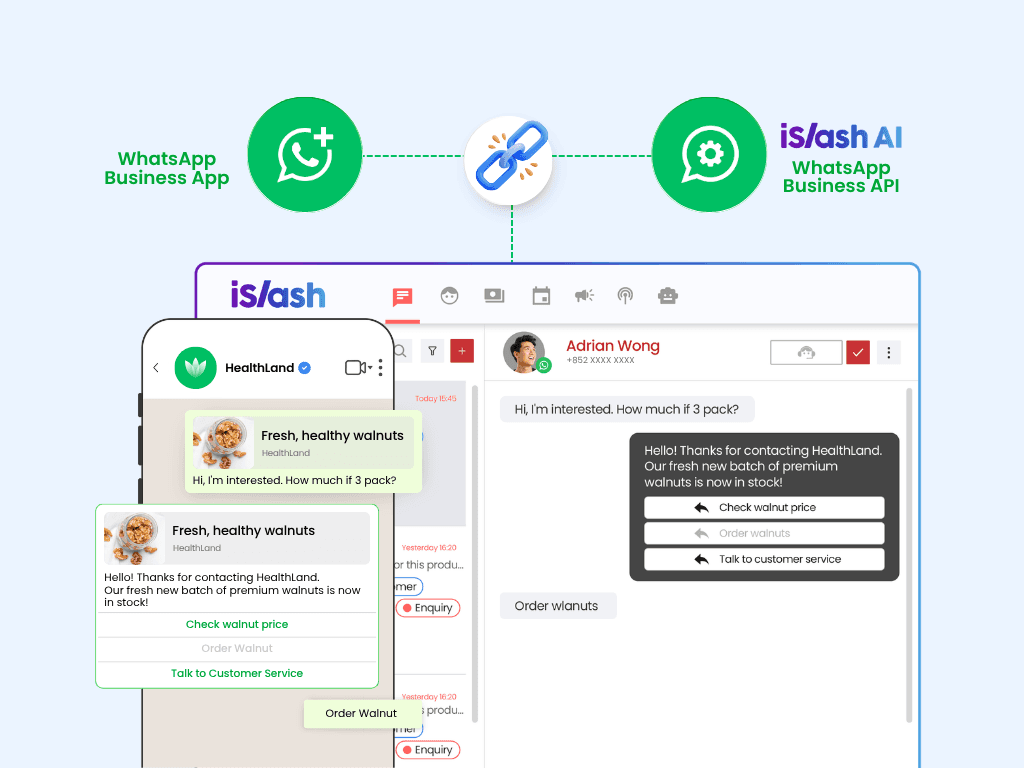
If you want to know what a customer wants, you have to let them tell you and you have to make it easy. This is where tools like WhatsApp Flows change the game.
Instead of forcing a user to leave their chat app, navigate a clunky website, and fill out a 10-field form, you meet them where they are. By turning these flows into an active data source, the brand gains "ears." You aren't just getting a name and number; you’re getting specific intent, preferences, and pain points in the middle of a casual conversation.
Step 2: The "Private Traffic Pool" (The Brand’s Memory)
Listening is useless if you immediately forget what was said. A consumer-first brand uses Private Traffic Pools to store these interactions.
This isn't just a database; it’s a contextual history. When a lead interacts with your LinkedIn content or answers a poll in WhatsApp, that information needs to follow them. If they told you they’re interested in "automation for SMEs," your next message shouldn't be about "enterprise-level cloud security."
Step 3: Finding the Right "Voice"
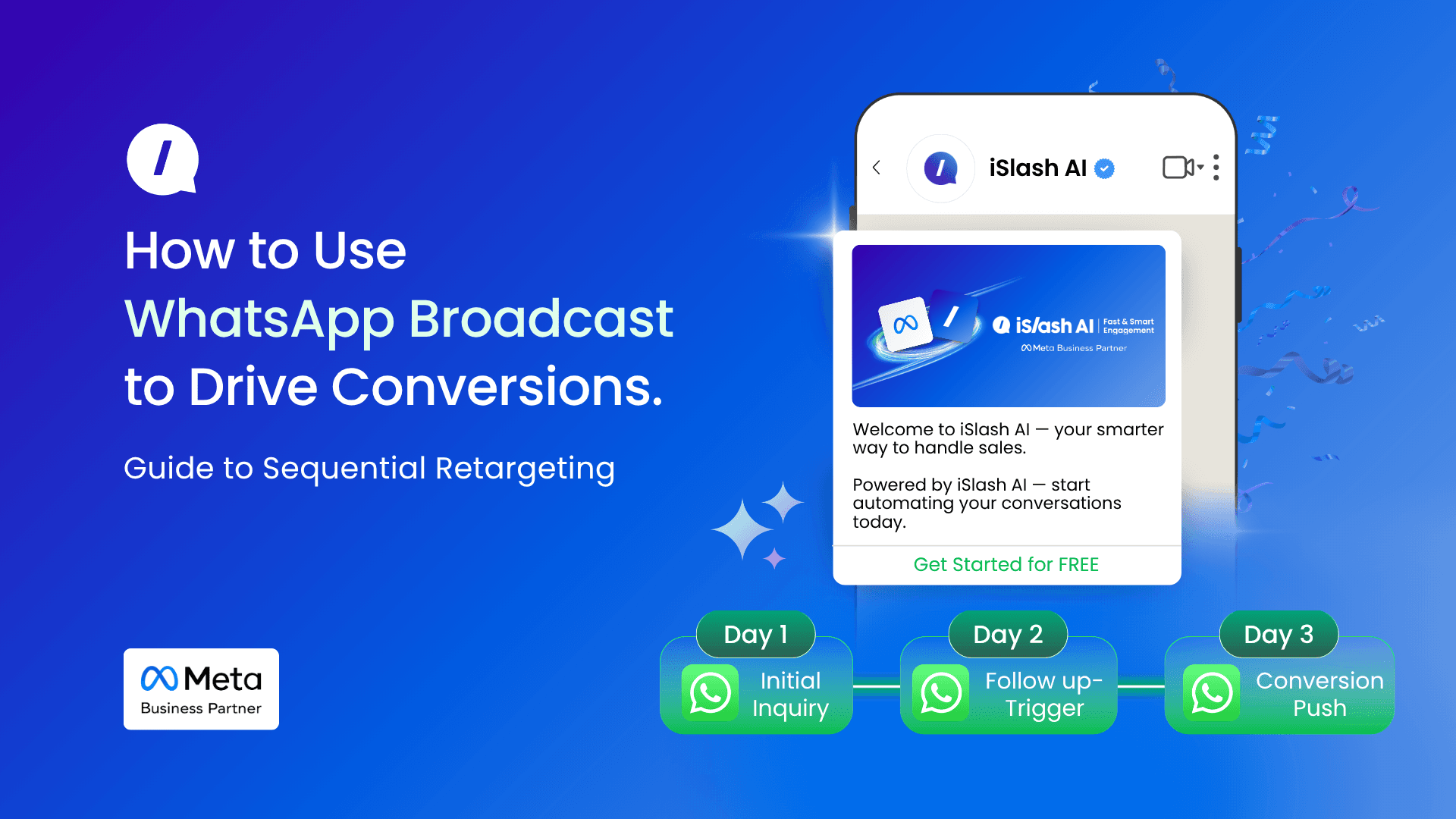
Once you’ve listened and remembered, you can finally speak. This is the sequential retargeting phase.
The "voice" of a modern brand shouldn't be a formal sales pitch. It should feel like casual, light notes, the kind of helpful advice a peer would give over coffee.
By using the data gathered from your "ears," your retargeting becomes personalized. You aren't "stalking" the consumer with ads; you’re continuing a conversation they already started.
The Reality Check
Is this easy? No. It requires a bridge between technical automation and human empathy. But the alternative is remaining part of the "noise."
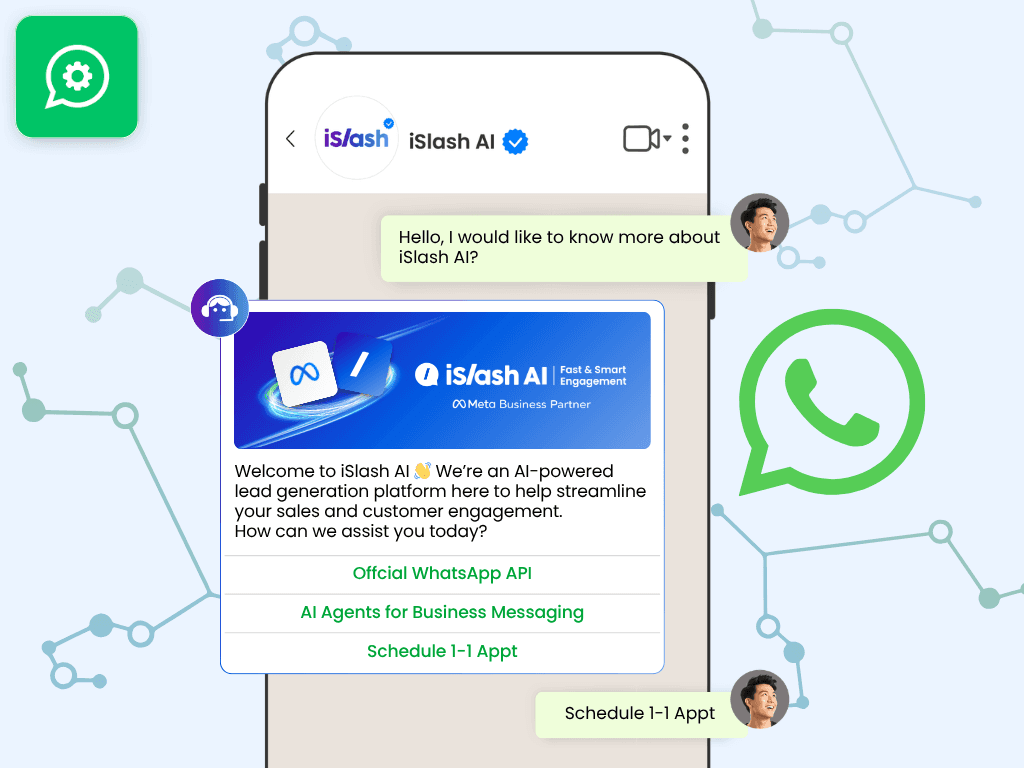
iSlash plays the vital role of the Smarter Messaging Operation here. It provides the technical infrastructure to listen (Flows), the space to remember (Private Traffic Pools), and the cadence to speak (Sequential Retargeting).
A Brand that Listens is a Brand that Stays Relevant.
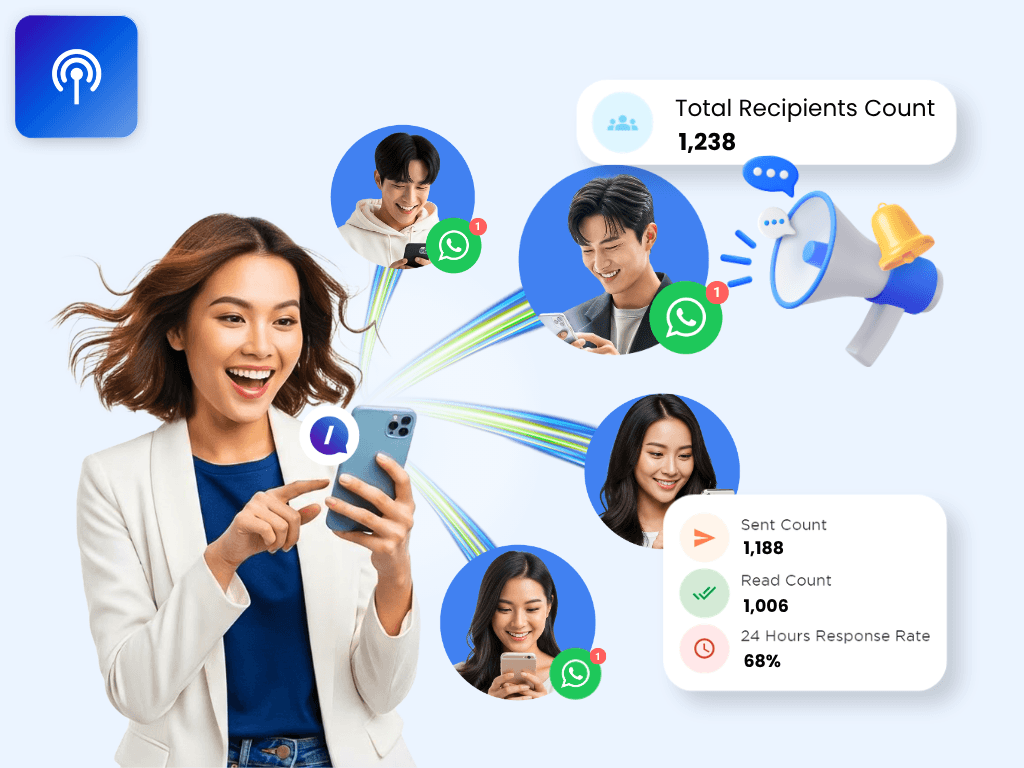
Stop trying to find a bigger megaphone. Start building better ears with iSlash AI.